
Why Anti-Static Shoes Risk Your Cleanroom Compliance (The EN 61340-5-1 Truth)

Introduction:
In the world of cleanrooms, where precision meets perfection, every detail counts—from the air quality to the shoes on your feet. While many facilities rely on ESD (Electrostatic Discharge) footwear to protect sensitive equipment from static electricity, a hidden truth looms beneath the surface: these very shoes couldjeopardize your cleanroom compliance. Enter EN 61340-5-1—the European standard that outlines how to effectively manage electrostatic risks in controlled environments. In this blog post, we’ll unravel the complexities surrounding ESD footwear and reveal why they maight not be as innocent as they seem.
Buckle up; it’s time to step into a conversation that could change how you think about footgear in your cleanroom.

Introduction to ESD Footwear
In the high-stakes world of cleanrooms, every detail matters. Among these details, ESD footwear often gets a spotlight—promising protection against static electricity while ensuring compliance with strict regulations. But here’s the catch: not all anti-static shoes are created equal when it comes to cleanroom standards.
As industries grow increasingly reliant on sensitive electronic components, understanding what qualifies as compliant footwear becomes essential. Let’s dive into how ESD safety shoe manufacturers cater to your needs and why it’s vital to grasp EN 61340-5-1 compliance before stepping onto that sterile floor. This includes all types of gear, from specialized ESD work boots and ESD sneakers to ESD shoes for ladies and even robust ESD boots.
Understanding ESD and Cleanrooms
Electrostatic discharge (ESD) refers to the sudden flow of electricity between two charged objects. This phenomenon can have devastating effects in sensitive environments, particularly cleanrooms.Cleanrooms are meticulously controlled spaces designed to maintain low levels of pollutants like dust and airborne microorganisms. They serve various industries, including pharmaceuticals and electronics, where contamination must be avoided at all costs.
In such settings, static electricity poses a significant risk. Even minor discharges can damage delicate equipment or compromise product integrity. Therefore, understanding ESD is crucial for cleanroom operations.To mitigate these risks, specialized footwear plays an essential role in maintaining a safe environment. Proper dissipative shoes help control static buildup on personnel while ensuring compliance with industry standards.
The Importance of Cleanroom Compliance:
Cleanroom compliance is crucial for industries where precision and cleanliness are paramount. These controlled environments minimize contamination risks, ensuring product integrity.Maintaining strict standards protects sensitive equipment and products from static buildup, airborne particles, and other contaminants. Non-compliance can lead to costly defects or even catastrophic failures in production processes.Adhering to cleanroom protocols not only safeguards the final output but also enhances safety for personnel working within these environments. Effective compliance fosters a culture of quality that resonates throughout the organization.
Furthermore, regulatory bodies often mandate specific requirements that must be met to maintain certifications. Failing to comply could result in fines or loss of accreditation.
Investing time and resources into cleanroom practices reflects commitment to excellence and reliability. This focus ultimately builds trust with clients who rely on high-quality results delivered consistently without compromise.
EN 61340-5-1 Standard for Electrostatic Protection in Cleanrooms
The EN 61340-5-1 standard outlines essential guidelines for managing electrostatic discharge (ESD) in cleanroom environments. It focuses on preventing damage to sensitive electronic components that are often found in such controlled spaces.
This standard emphasizes the need for proper grounding, materials selection, and effective protective measures. The goal is to minimize static electricity build-up, which can lead to catastrophic failures in high-tech industries like semiconductor manufacturing.It defines various levels of protection required based on the cleanroom classification. Adherence to these specifications ensures not just product integrity but also worker safety.
By following EN 61340-5-1 regulations, companies demonstrate their commitment to maintaining a secure working environment while safeguarding expensive equipment from ESD-related issues.
The Limitations of Anti-Static Shoes
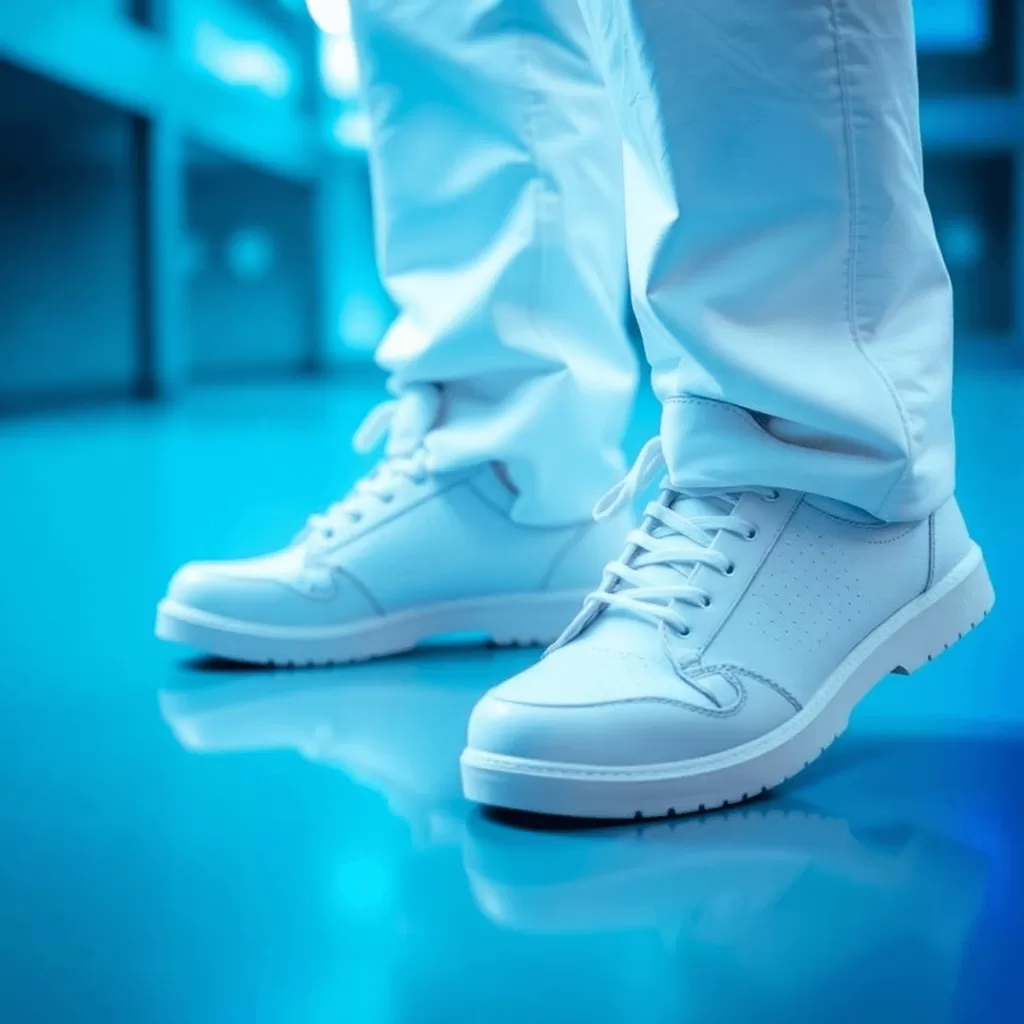
ESD Footwear:
In the high-stakes world of cleanrooms, every detail matters. Among these details, ESD footwear often gets a spotlight—promising protection against static electricity while ensuring compliance with strict regulations. But here’s the catch: not all anti-static shoes are created equal when it comes to cleanroom standards.
As industries grow increasingly reliant on sensitive electronic components, understanding what qualifies as compliant footwear becomes essential. Let’s dive into how ESD safety shoe manufacturers cater to your needs and why it’s vital to grasp EN 61340-5-1 compliance before stepping onto that sterile floor. This includes all types of gear, from specialized ESD work boots and ESD sneakers to ESD shoes for ladies and even robust ESD boots.
Understanding ESD and Cleanrooms
Electrostatic discharge (ESD) refers to the sudden flow of electricity between two charged objects. This phenomenon can have devastating effects in sensitive environments, particularly cleanrooms.
Cleanrooms are meticulously controlled spaces designed to maintain low levels of pollutants like dust and airborne microorganisms. They serve various industries, including pharmaceuticals and electronics, where contamination must be avoided at all costs.
In such settings, static electricity poses a significant risk. Even minor discharges can damage delicate equipment or compromise product integrity. Therefore, understanding ESD is crucial for cleanroom operations.
To mitigate these risks, specialized footwear plays an essential role in maintaining a safe environment. Proper dissipative shoes help control static buildup on personnel while ensuring compliance with industry standards.
The Importance of Cleanroom Compliance:
Cleanroom compliance is crucial for industries where precision and cleanliness are paramount. These controlled environments minimize contamination risks, ensuring product integrity.
Maintaining strict standards protects sensitive equipment and products from static buildup, airborne particles, and other contaminants. Non-compliance can lead to costly defects or even catastrophic failures in production processes.
Adhering to cleanroom protocols not only safeguards the final output but also enhances safety for personnel working within these environments. Effective compliance fosters a culture of quality that resonates throughout the organization.
Furthermore, regulatory bodies often mandate specific requirements that must be met to maintain certifications. Failing to comply could result in fines or loss of accreditation.
Investing time and resources into cleanroom practices reflects commitment to excellence and reliability. This focus ultimately builds trust with clients who rely on high-quality results delivered consistently without compromise.
EN 61340-5-1 Standard for Electrostatic Protection in Cleanrooms
The EN 61340-5-1 standard outlines essential guidelines for managing electrostatic discharge (ESD) in cleanroom environments. It focuses on preventing damage to sensitive electronic components that are often found in such controlled spaces.
This standard emphasizes the need for proper grounding, materials selection, and effective protective measures. The goal is to minimize static electricity build-up, which can lead to catastrophic failures in high-tech industries like semiconductor manufacturing.
It defines various levels of protection required based on the cleanroom classification. Adherence to these specifications ensures not just product integrity but also worker safety.
By following EN 61340-5-1 regulations, companies demonstrate their commitment to maintaining a secure working environment while safeguarding expensive equipment from ESD-related issues.
The Limitations of Anti-Static Shoes

Proper care of ESD footwear is crucial for maintaining their effectiveness. Regular cleaning is essential to remove any contaminants that could interfere with their performance. Use a gentle detergent and warm water, avoiding harsh chemicals that can degrade the materials.
Inspect your shoes frequently for signs of wear or damage. Look closely at the soles and seams as these areas bear the most stress. Any cracks or tears can compromise static dissipative properties.
Storing your ESD shoes properly also plays a role in longevity. Keep them in a cool, dry place away from direct sunlight. Avoid stacking heavy items on top which might distort their shape.
Remember to replace worn-out pairs promptly to ensure compliance with safety standards like EN 61340-5-1. A proactive approach not only extends the life of your footwear but also safeguards cleanroom integrity.
Conclusion:
Choosing the right ESD footwear is crucial for maintaining compliance in cleanroom environments. Adhering to EN 61340-5-1 standards ensures that your facility effectively manages electrostatic discharge risks. While general anti-static shoes may seem like a quick fix, they often fall short of providing the necessary protection required in sensitive areas.
Stop risking costly non-compliance with generic anti-static wear—our EN 61340-5-1 certified static dissipative footwear delivers the precise, reliable grounding your high-stakes cleanroom demands.
Featured Solution: The Compliant Cleanroom Slip-OnThis slip-on design is engineered for rapid, contamination-free entry and exit, featuring a durable, static dissipative sole that guarantees alignment with EN 61340-5-1 requirements.